

For years, many industries have benefited from Black culture and creativity without always extending the same level of trust in leadership. The style, language, and energy have often shaped the work, while top-level authority remained less accessible. That is why the rise of more African Americans in Creative Director roles should not be dismissed as a trend. It is not simply a cultural moment. It is a smart business decision.
Look at the examples. Pharrell Williams serves as Men’s Creative Director at Louis Vuitton, and A$AP Rocky is Ray-Ban’s first-ever Creative Director. Before them, Virgil Abloh helped redefine what Black creative leadership could look like at the highest level of luxury, and Olivier Rousteing proved that Black creative vision could guide a global fashion house over time with consistency, confidence, and influence. These are not symbolic placements. Brands are recognizing that the people who shape culture are often the same people best equipped to shape brand meaning.
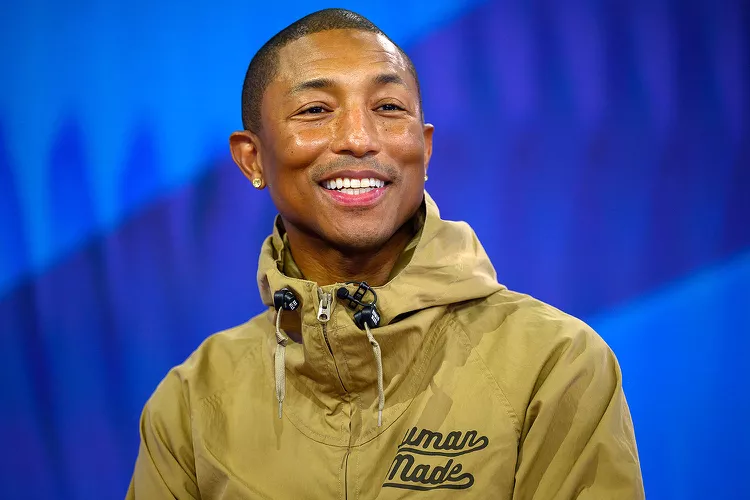
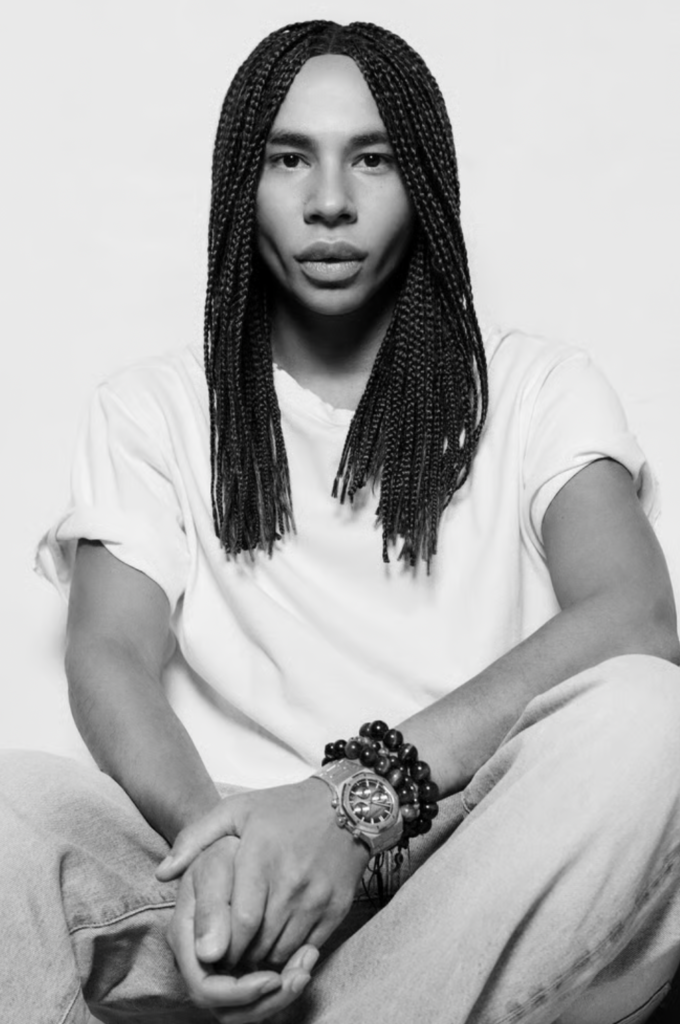
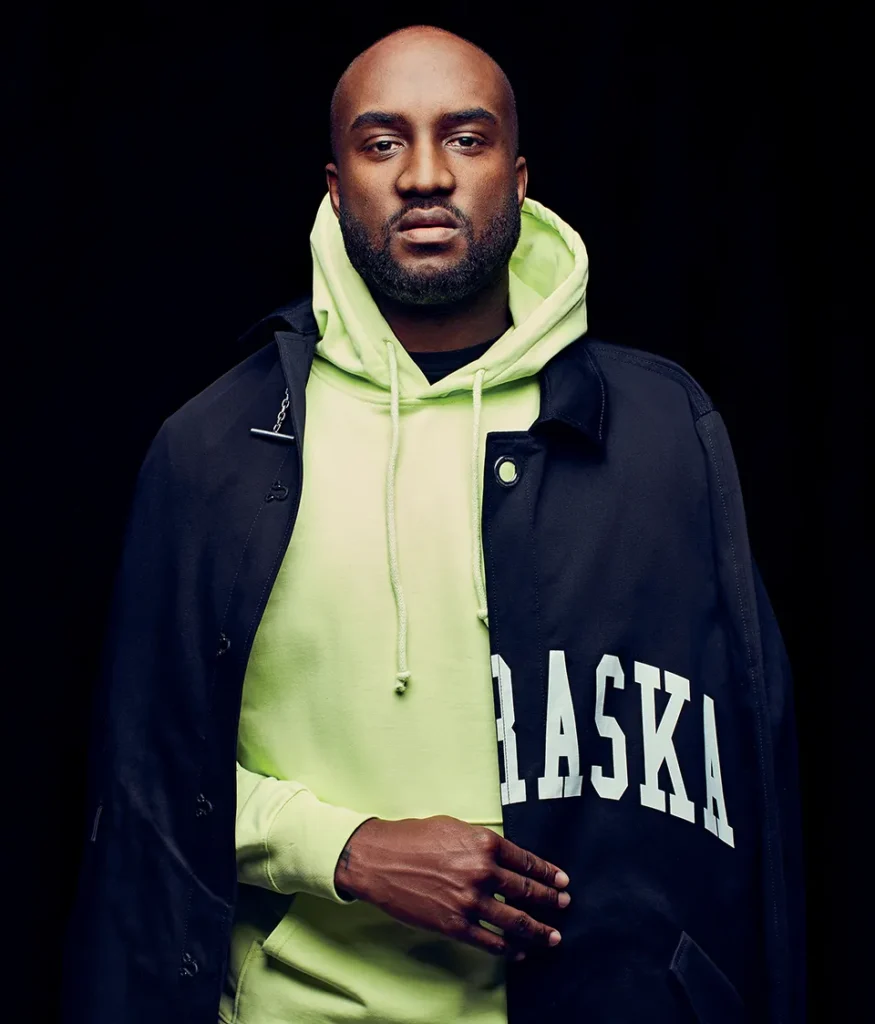
That distinction matters because a Creative Director does much more than make things look good. The role is about shaping perception, building trust, and helping brands communicate with clarity. Yes, it requires taste but also judgment, emotional intelligence, and a real understanding of how people respond.
That is why a creative background matters so much.
When someone has actually spent time in design, storytelling, branding, fashion, music, art direction, or visual culture, they bring more than style. They bring judgment. They understand the distance between a good idea and the discipline required to make it real. They know how to carry work from concept to execution. And they can tell when something only looks current versus when it actually feels true.
And right now, that difference matters.
Audiences are highly sensitive to authenticity. They know when a brand is building a real cultural connection and when it is simply borrowing the look of relevance. For example, a campaign can adopt the language, style, or visual energy of Black culture and still feel empty because the deeper understanding is missing. In that kind of environment, creative leadership is not surface work. It is strategic work. This is one reason Black Creative Directors bring so much real value to organizations. Many have spent years navigating different audiences, expectations, and cultural spaces, which sharpens their instinct for tone, nuance, and how work will actually be perceived.
That larger tension is captured in Black Creative (2021), a documentary focused on the experience of Black professionals in the UK advertising industry. I’ve included the full documentary below because it highlights a truth that reaches far beyond advertising: Black creatives have often shaped the culture and the work while remaining excluded from the highest levels of decision-making. So when more African Americans step into creative leadership today, it should not be dismissed as a trend. It should be recognized as a long-needed shift.
I see this clearly in my own work as Creative Director at the University of Lynchburg. Higher education has only strengthened my belief that creative direction is not ornamental. It shapes how an institution is perceived, trusted, and remembered. A university brand is not simply a logo system or a visual identity. It is a public expression of mission, belonging, opportunity, and character.
My role is not just to make the university look polished. It is to help shape an experience people can recognize as true. That means building campaigns, stories, and visual systems that do more than maintain consistency. They must communicate who we are with clarity, credibility, and humanity. A recent example of this came through a project we called our Epic Brand Video. Working alongside our video production lead and our VP of Marketing, we made a conscious decision to move away from the traditional university voiceover. That format is familiar: a calm narrator, sweeping campus shots, and a script that tells you how inspiring everything is supposed to feel. It works, but it also feels predictable.
Instead, we wanted something with more energy and more personality. So we chose to center the piece around a dynamic spoken word artist whose delivery could carry emotion and impact. The idea was simple: if Lynchburg is a place that moves people forward, the storytelling should move that way too.
From there, the work became about direction. Tone. Pacing. Visual rhythm. How the camera moves through space. Which moments best capture the spirit of Lynchburg, not just the brochure version of it. Every decision, from the opening frame to the final line, had to reinforce the same message: this is a place where people are known, challenged, and prepared to move forward with confidence. The response has been overwhelmingly positive. Students, alumni, and colleagues have all commented on how different the piece feels from the typical higher-ed video. And that difference is not accidental.
When Black creatives with real discipline are trusted to lead, the work often becomes sharper, more honest, and more human. The message gets clearer because the image and the story are not treated as decoration. They are the front door. They shape whether something feels believable, inviting, and worth attention. That is the real point. This conversation is not just about who gets a seat at the table. It is about what happens when the people who have long influenced the culture are trusted to shape the direction. The result is not just better optics. It is better judgment, stronger connection, and better work.
In a world full of polished noise, that kind of honesty stands out.